
For transgenders, singing and dancing is a respectable mode of livelihood. Such groups engage themselves in attending merry ritualistic functions of family and society, like child birth or marriage ceremony. Over the years, they have made their presence significantly felt by convening events such as Vachan Vaachan Mahotsav (Delhi), Kinnar Mahotsav (Patna), etc.
Compositions of Ameer Khusro in Hindustani music
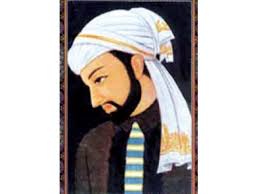
Abúl Hasan Yamin al-Din Khusro, known as Amir Khusro Dehlawi is an iconic figure in the cultural history of India was a musician scholar and poet, a Sufi Mystic and Spiritual disciple of Hazarat Nizamuddin Auliya of Delhi. He enriched Hindustani classical music with Persian and Arabic elements, from which originated various styles in Hindustani Classical music, such as Khayal, Tarana, Savela, Chaturang, Tirvat, Sadrah, Talan, Tilenana, Qaul, Qalbana, Naqsh-o-gul, Naqsh-o-nigaar, Rang, Mandha, Dhamal, Sawan geet, etc. The invention of the Tabla and Sitar is also traditionally attributed to Amir Khusro. He wrote his poetic expressions in Hindavi.
Parsi Theatre
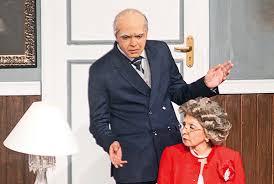
Parsi TheatreThe first play of the Parsi Theatre performed in 1853, entitled Rustom Zabooli and Sohrab dealt with an ancient Persian theme from the epic – The Shahnameh, as did subsequent plays such as King Afrasiab and Rustom Pehlvan. What drew popular attention to the Theatre however were the farces at the end of the main performance that parodied the follies of child marriages, excessive wedding expenses, quack doctors, superstitions and vices such as alcohol and gambling.
The theatre therefore became part of a larger ideological apparatus for the reformation of Parsi society. By the 1870s however, the Theatre came to be understood as a profit-making enterprise. This period resulted not only in the rage for spectacular plays consisting of magic carpets, gods and goddesses and flying demons that the Parsi Theatre came to be famous for and the secularization of audiences and theatre personnel but also in a distancing of the Parsi Community from the popular Parsi Theatre.
In order to mitigate what was seen as a decline in the reformatory role of the Theatre, Kaikhushro Navroji Kabraji founded the Society for the Amelioration of the Drama which began to perform plays that portrayed Parsi families and their problems in Parsi Gujarati, what was to become a linguistic dialect of the Parsi community, resulting in the splintering of the Parsi Theatre into a subgenre of the Parsi Theatre for the Parsi Community.
Due to globalization and the loss of Parsi Gujarati as the mother tongue of Parsis outside Gujarat, even these plays use a mixture of English and Gujarati. It is only in Mumbai and Surat that a handful of groups continue to enact Parsi Theatre on a regular basis. Hence there is need for a revival which will serve the purpose of preserving the theatre genre.