
Indian Wildlife
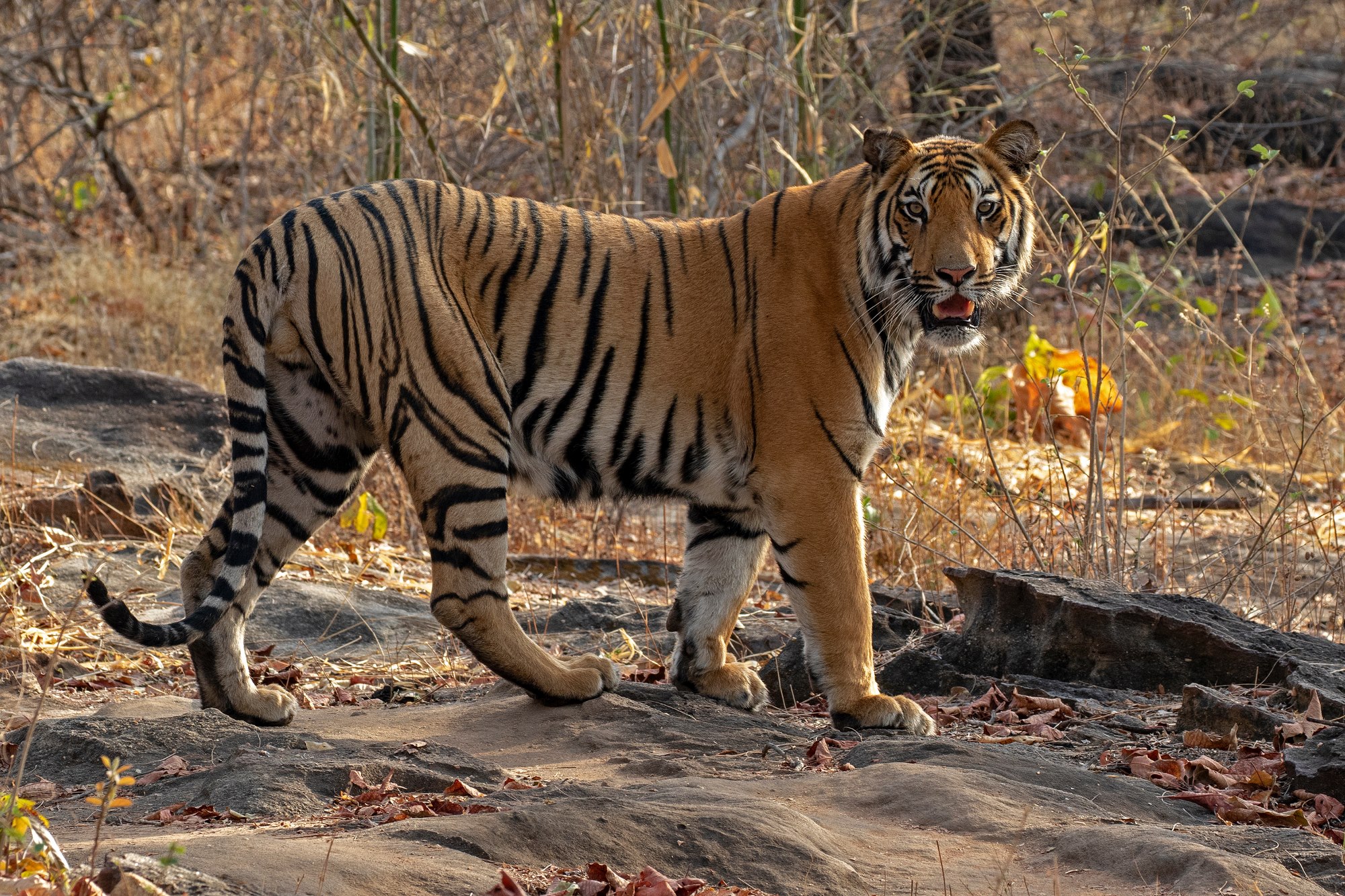 India’s varied topography includes rainforests; grasslands; mountains; deserts; mangroves; and lagoons. These different habitats nurture a very diverse set of wildlife roughly accounting for 8 per cent of the world’s recorded species. But decades of industrialisation; population growth; and poaching have led to a decline in wildlife with some species on the brink of extinction. In the 1970s, the government started Project Tiger and alongside, the various innovative conservation schemes have managed to reverse the trend. Tiger population has shown healthy growth in the recent years which has led to better sightings of tigers as well as other big mammals. Today, India has more than 100 national parks, where wildlife is thriving again. India’s Big Five species – the Royal Bengal Tiger; One-horned Rhino; the Asiatic Lion; the Asian Elephant; and Leopard – can be seen in these protected parks. Below are some of the recommended national parks to spot these magnificent creatures in their natural habitats.
Ranthambore National Park
Situated on the popular Golden Triangle circuit, Ranthambore is one of the most popular and most visited national parks of India. It is a dense, tropical dry forest with a healthy population of Royal Bengal Tigers as well as the leopard; wild boar; hyena; sloth bear; and a variety of deer. It is also home to a wide variety of flora and fauna; birds; reptiles; and the largest banyan tree in India.Jim Corbett National Park
The first national park of India is named after the famous hunter-turned-conservationist Jim Corbett. The park’s splendid landscape of moist deciduous forests is set in the western Himalayan foothills around the Ramganga River and has the highest density of tigers along with a diverse wildlife of over 500 bird species and a variety of mammals and reptiles.Parks of Central India
Central India has the highest number of national parks and the largest number of tigers in India. Bandhavgarh; Kanha; and Pench are the three most popular parks with a good density of tigers. Kanha, the largest park of Central India, was the inspiration behind Rudyard Kipling’s famous novel The Jungle Book. This park is also home to Barasingha (swamp deer), a vulnerable species. Recently, the Tadoba National Park has grown in popularity due to excellent tiger sightings. Satpura National Park offers a medley of experiences including jeep safaris; boat safaris; and jungle walks.Kaziranga National Park
Located on the floodplains of the mighty Brahmaputra River, Kaziranga is home to most of the world’s remaining one-horned rhinos. The park has the second highest density of tigers, but its tall elephant grass makes their sightings difficult. The park’s rich wildlife includes water buffalo; swamp deer; hog deer; and wild elephants. River dolphins can also be spotted along with a variety of birds.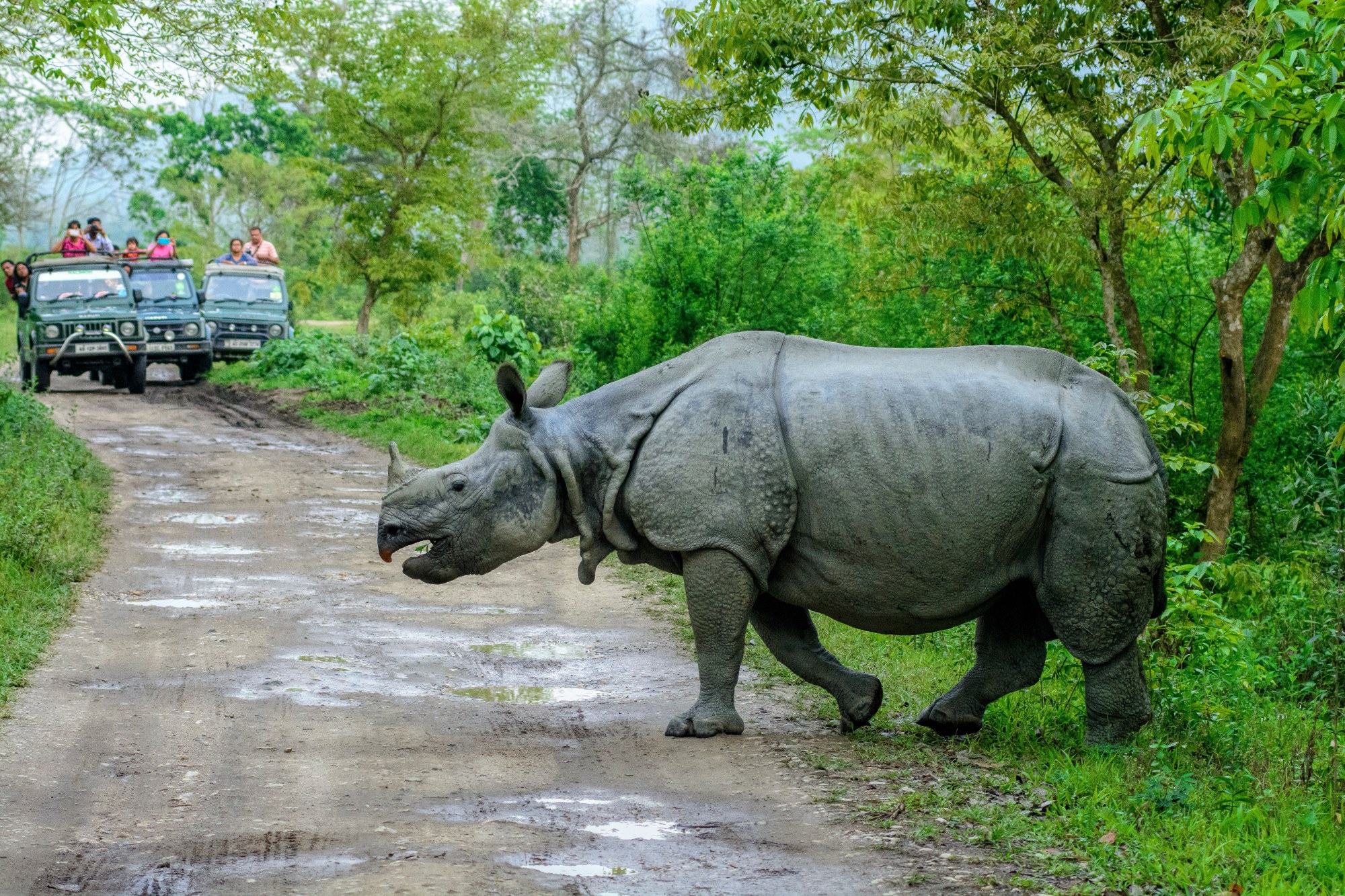
Nagarhole (Kabini) National Park
A short drive from Bengaluru is Nagarhole, one of the best national parks of South India. Lying at the foothills of the Western Ghats with the Kabini river flowing through it, the park is home to a large variety of animals including wild elephants; tigers; leopards; sloth bears; wild dogs; a variety of deer; langurs; macaques; otters; giant flying squirrels, etc. The jeep safaris; coracle rides on the Kabini river; and nature walks offer a rewarding wildlife experience.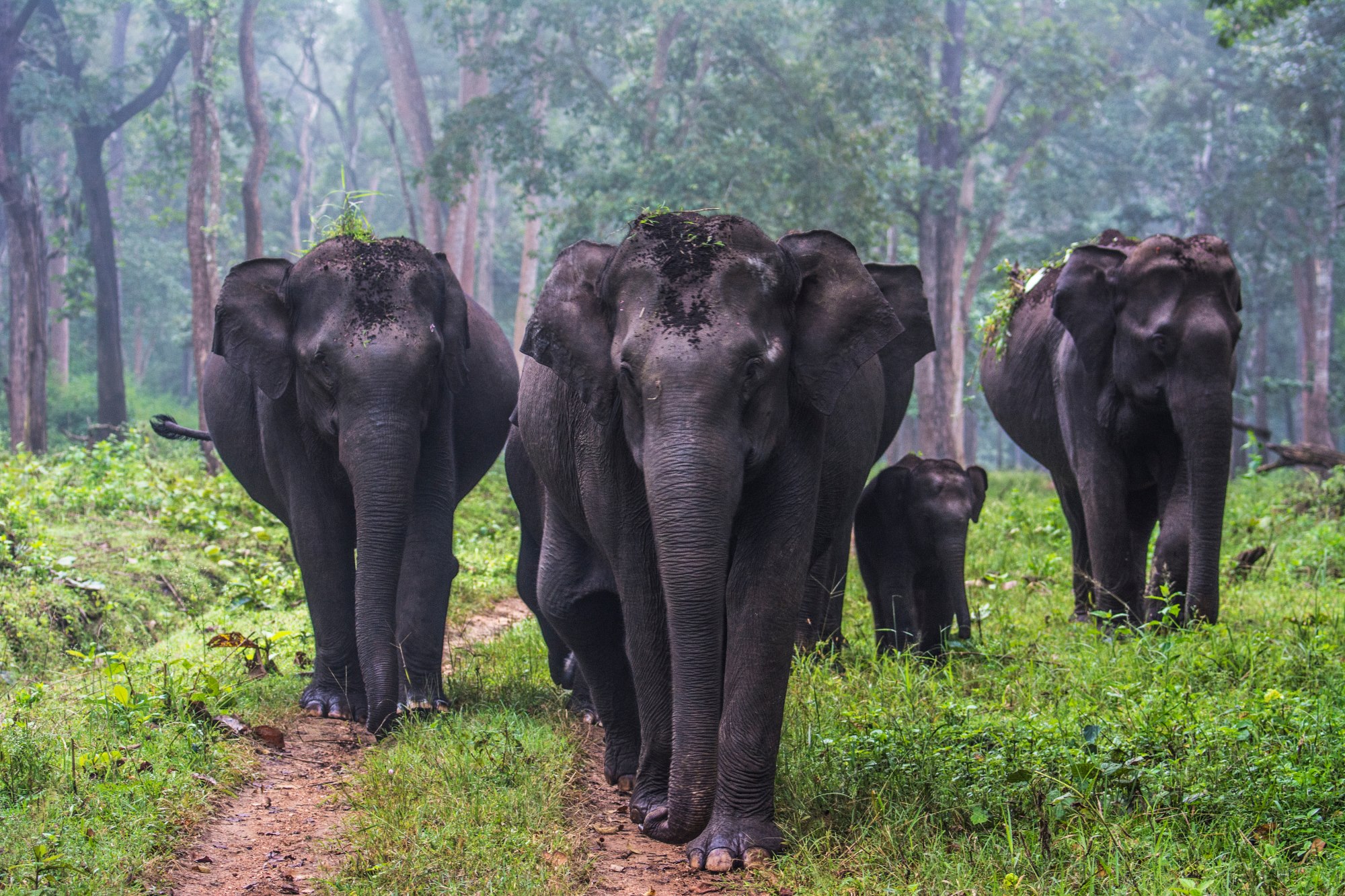
Sasangir National Park
Sasangir National Park in Gujarat is the last refuge for the Asiatic Lions. The recent census report estimated around 700 lions, a healthy increase in the last five years. This mixed deciduous forest is also home to the leopard; sambar; chital; nilgai; chinkara; four-horned antelope; and wild boar and a rich birdlife including the paradise flycatcher; shrike; black-headed cuckoo; crested serpent eagle, etc.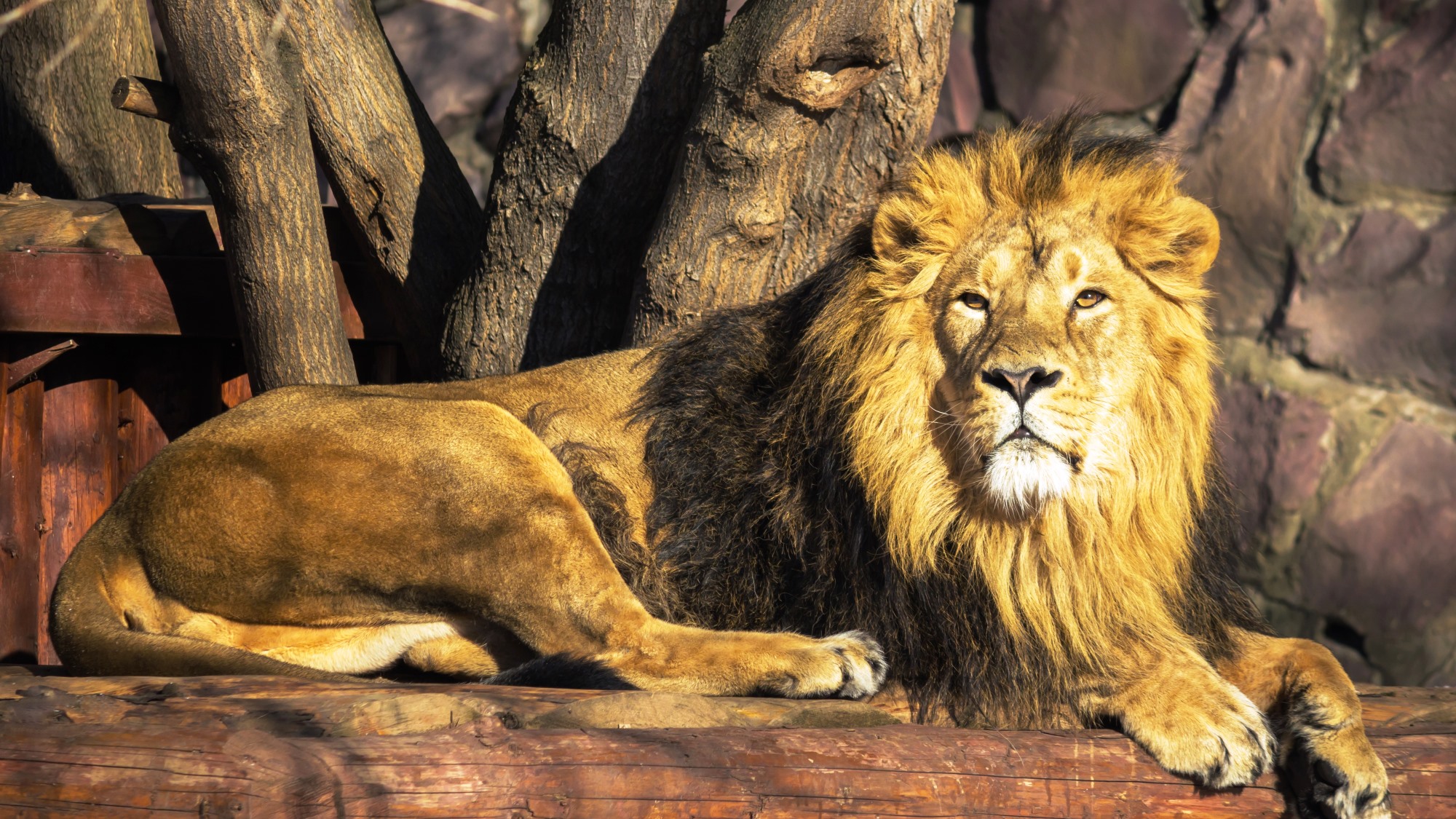
Leopards of Jawai
Jawai Bandh (dam) in Rajasthan is a picturesque setting with grasslands; riverbeds; grazing grounds; and granite hills. The natural caves and rock shelters of Jawai Hills are home to a thriving population of leopards as well as panthers; hyenas; chinkaras; nilgai; and wolves. The riverbeds and dam provide sanctuary to crocodiles and more than 100 species of migratory birds.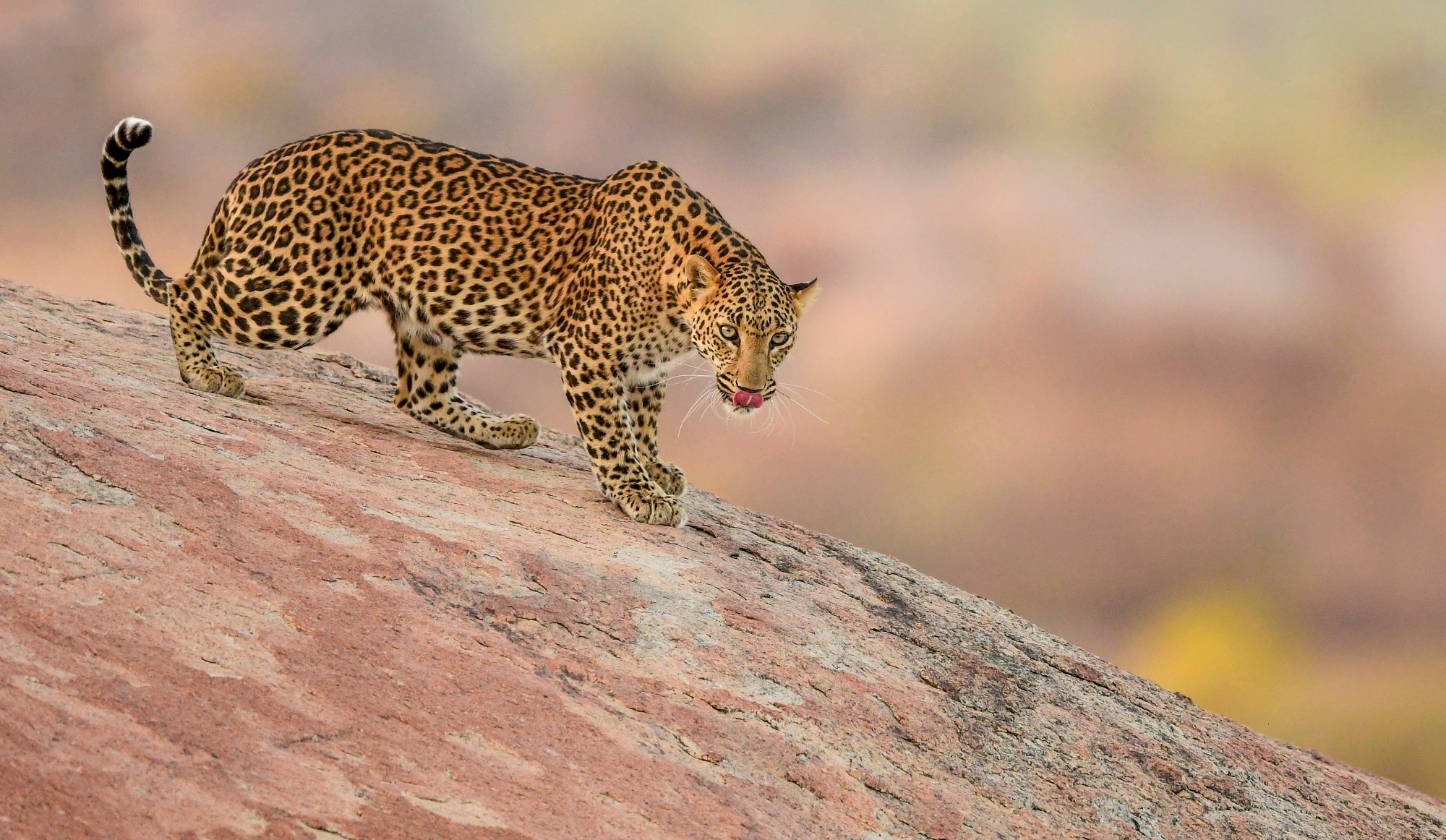
Birds of India
India’s prolific birdlife includes more than 1,200 species found in its 72 bird sanctuaries. Keoladeo Ghana in Bharatpur is the largest bird sanctuary in India and one of the richest bird reserves of the world with more than 230 species seen in its mosaic of dry grasslands; woodlands; swamps; and wetlands. Located on the popular Golden Triangle circuit, Keoladeo Bird Sanctuary is a bird lovers’ paradise, particularly in the winter months when a large variety of migratory birds arrive here.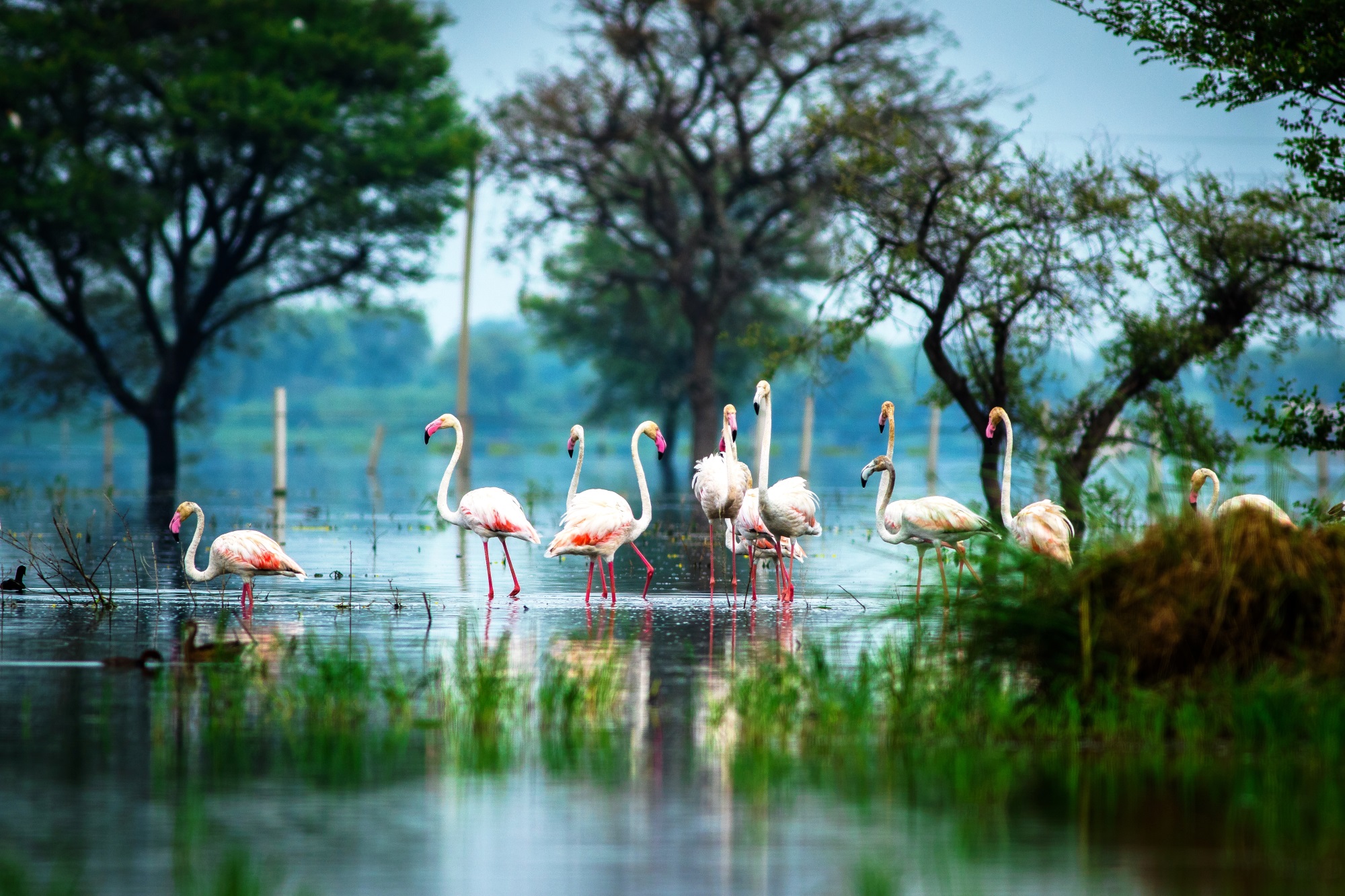

Golden Triangle and Tigers of Ranthambore
Golden Triangle with Ranthambore tour...
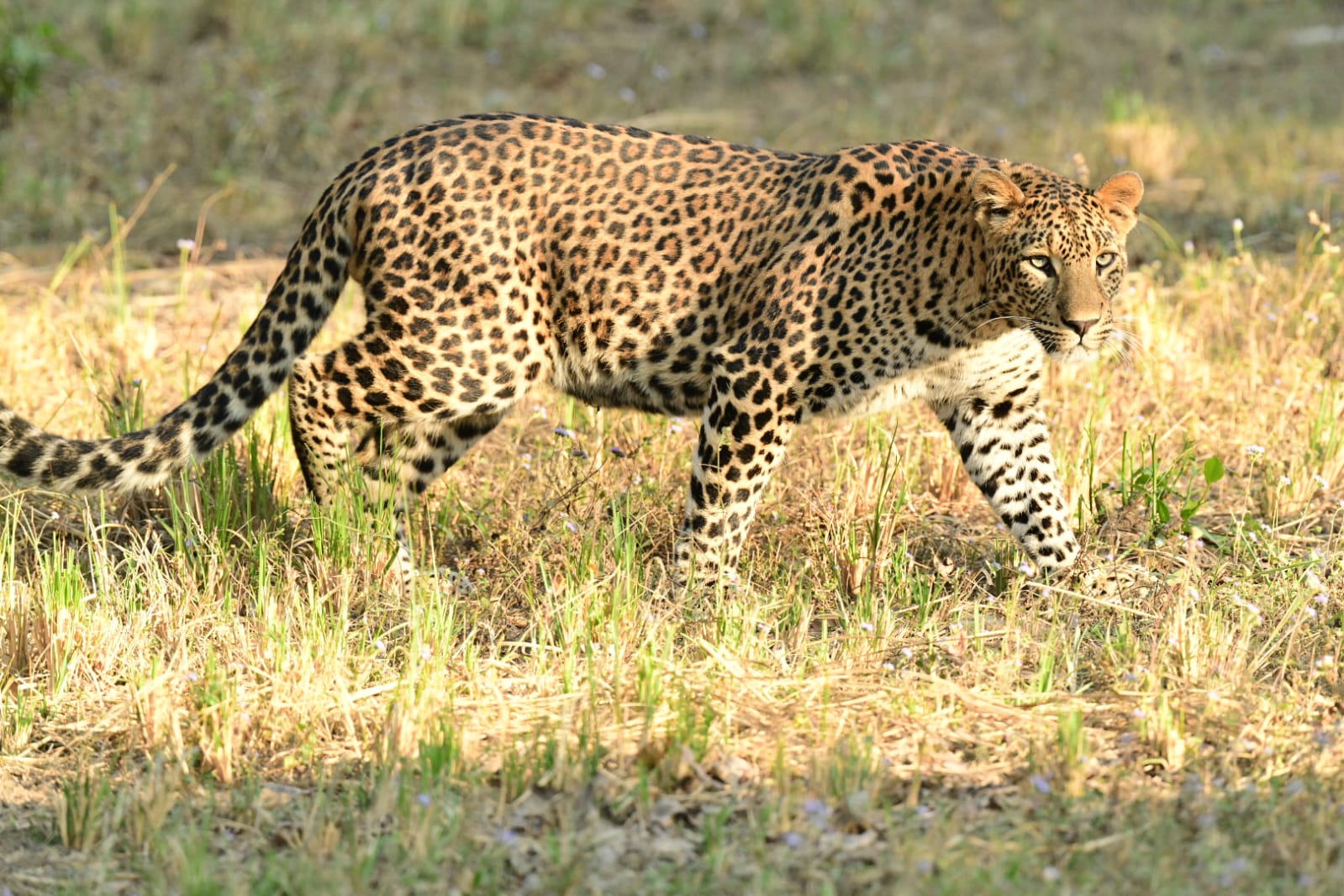
Bera Jawai Leopard Safari
Situated in Aravali mountain ranges,...
Call of the Wild: Taj Temple and Tigers
This is a crisp tour...
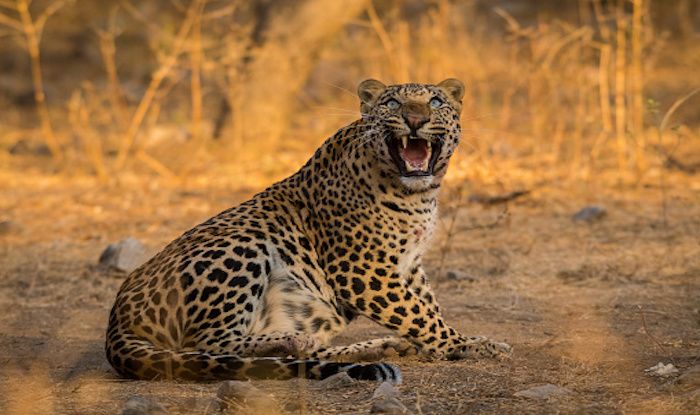
Jhalana Leopard Safari Jaipur
Situated in Jaipur city forest,...
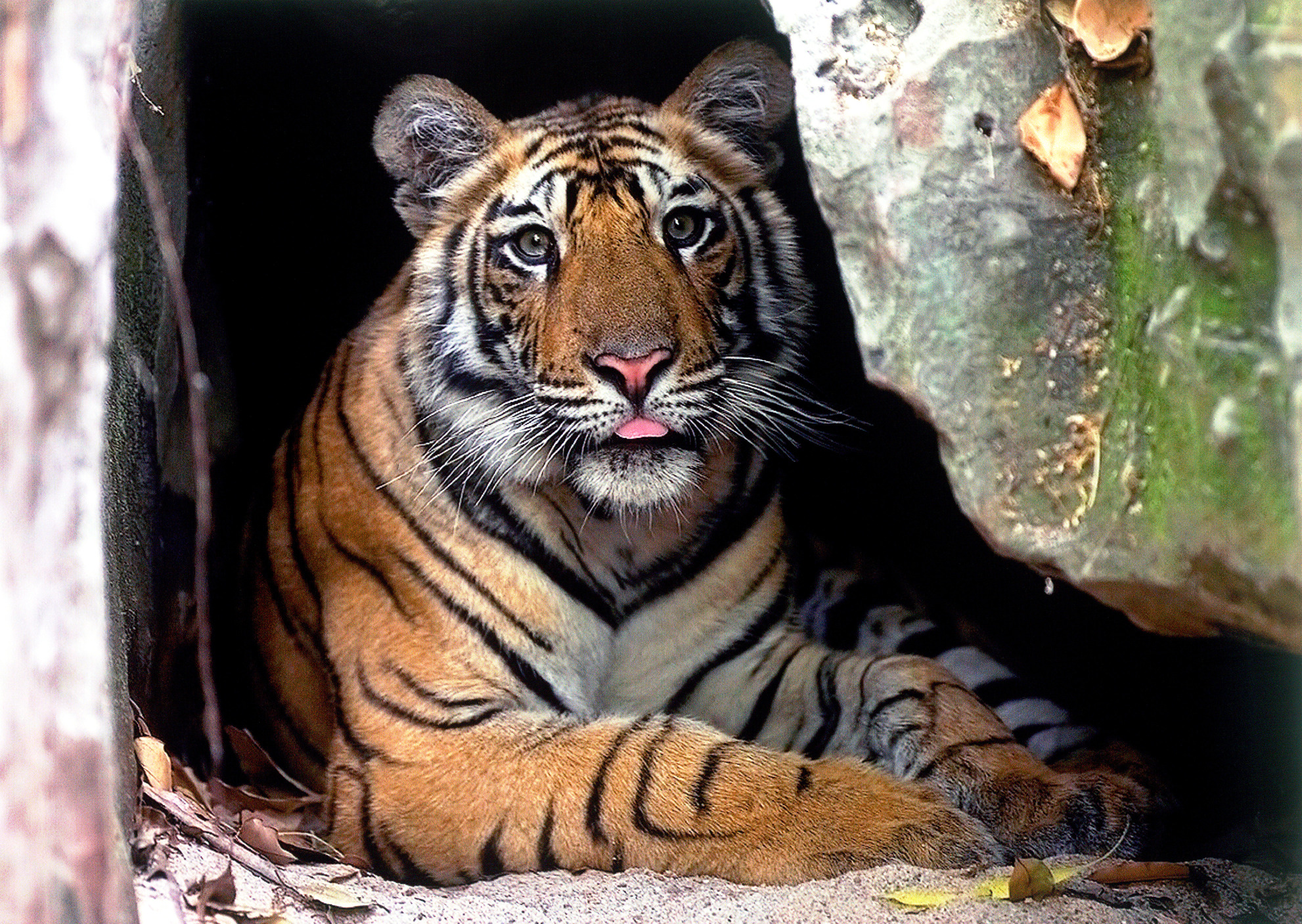
Heritage Nature & Wildlife Tour of Central India
Embark on a captivating journey...
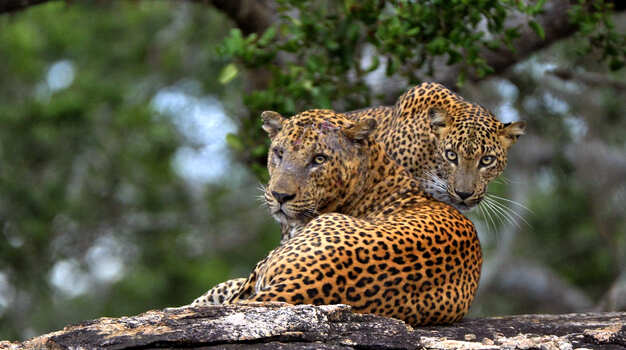
Sri Lanka Wildlife Tour
Sri Lanka – This extraordinary island...
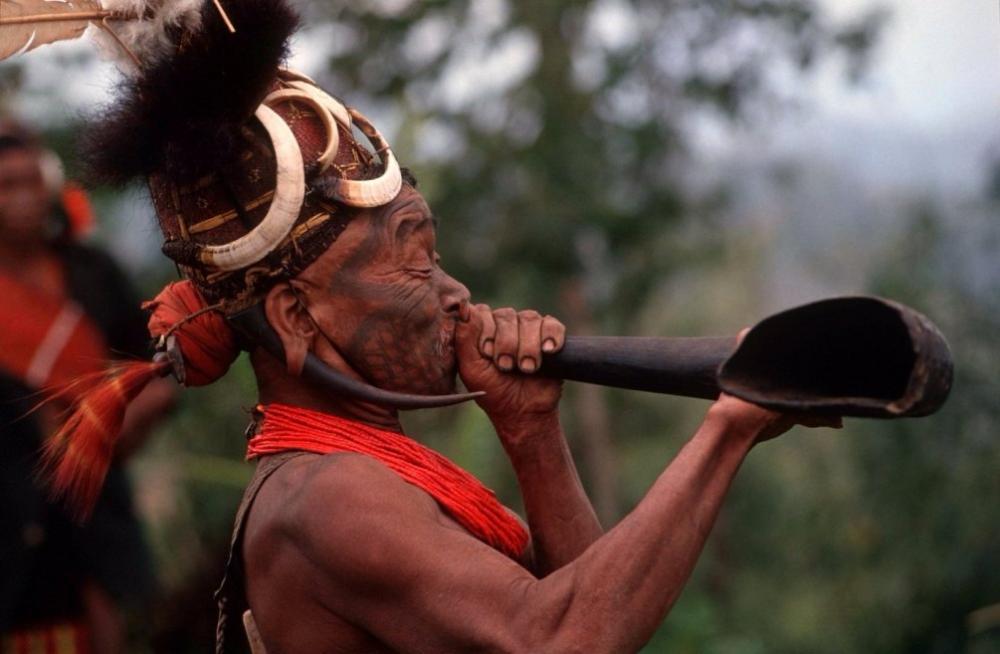
Tribals of North Eastern India and Rhinos of Kaziranga
TRIBALS OF NORTH EASTERN INDIA...
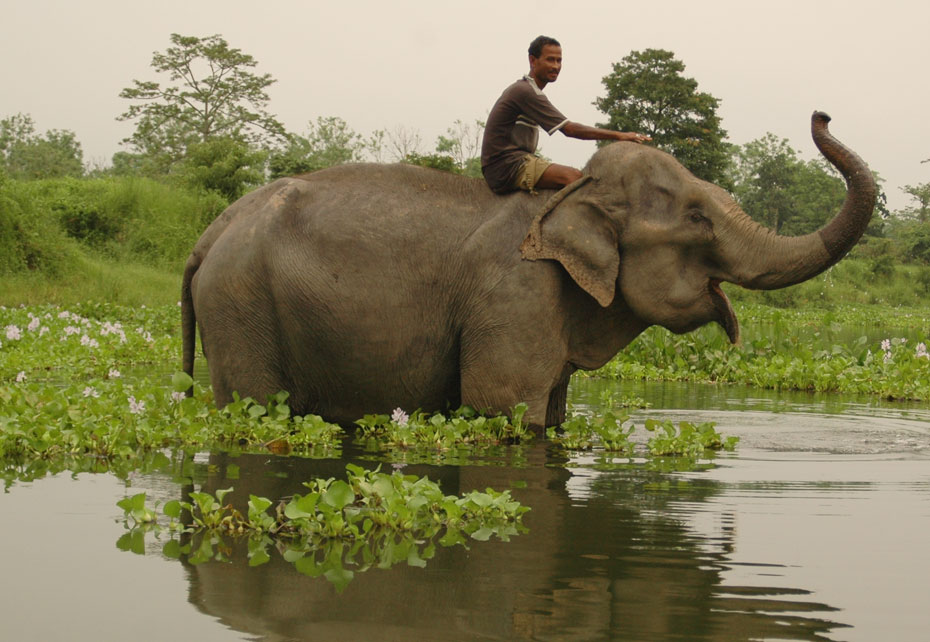
Tea Trail and Wildlife of Assam
Arrival – Nameri – Kaziranga...
Tiger Safari in Central India
Experience the raw wilderness and...
Discover the World with Us
Plan your next unforgettable journey custom trips, unbeatable prices, and expert guides await.